Beyond Breaking News: How AI Helps You Find the Stories Worth Reading

October 28, 2026 · 9 reads
Introduction
Every headline tells a small part of a much bigger story. A new invention may change an industry. A world event may affect travel plans. A business update may create new chances for growth.
The challenge is not finding news anymore. The real challenge is finding the right news at the right time.
Readers often jump between websites, apps, and social media feeds. They may see the same story many times but still miss important details. This makes daily news reading harder than it needs to be.
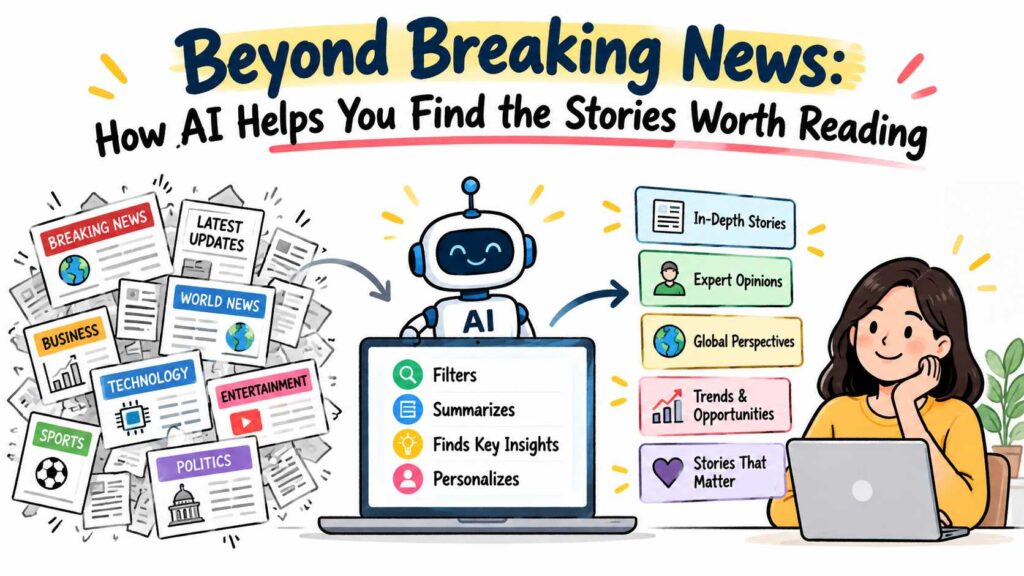
AI-powered news platforms offer another way to explore current events. They help organize information, connect related stories, and make large amounts of news easier to review.
HeadlineSift aims to help readers discover important developments without getting lost in endless updates. With a more focused approach, readers can spend less time searching and more time understanding the world.
Why Headlines Alone Do Not Tell the Whole Story
A headline can attract attention in seconds. However, it rarely explains every detail of an event.
Consider a report about a major change in fuel prices. The headline may tell you that prices have risen. You may still need to know what caused the change, which areas face the biggest impact, and what experts expect next.
The same problem appears in technology, business, politics, and science.
A single headline may leave out useful background. Another report may explain the cause. A third may show how the event affects ordinary people.
Readers need a way to connect these pieces of information.
An AI news aggregator can help by collecting related reports and organizing them around common subjects. This gives readers a clearer path from a quick headline to a deeper understanding.
What Makes AI News Aggregation Different?
Traditional news reading often requires people to visit several websites. Each site may have its own layout, categories, and search tools.
An AI news aggregator brings information from supported sources into one reading experience. Depending on its features, it can sort reports, group similar stories, and create short summaries.
For example, imagine that several publishers report on a new electric vehicle launch.
One article may discuss its features. Another may cover its price. A third may explain the company’s business plans.
An AI-powered tool can help readers find these related reports together. Readers can then compare details and explore the parts that interest them most.
This approach does not remove the need for careful reading. Instead, it makes finding useful information easier.
How AI Turns a Large News Feed Into a Clearer View
AI can support several tasks that help readers manage news.
Finding Common Topics
News reports often share names, events, places, or subjects. AI can help identify these connections and organize related stories.
This feature helps readers explore one topic without starting a new search for every article.
Sorting Information
A news feed may contain stories about business, sports, science, travel, and entertainment. Topic sorting helps readers move between these areas more easily.
Readers can focus on the subjects that matter to them.
Creating Quick Overviews
Long articles may contain many details. AI summaries can highlight the main points and help readers decide whether to read further.
A short overview can save time during an initial review. Readers should still open the full report when they need complete information.
Showing Related Developments
Many events unfold over time. A new policy may lead to business changes, public reactions, and further announcements.
AI can help readers find reports connected to the same event. This makes it easier to follow a developing story.
Supporting News Discovery
Readers may not know every subject worth following. Related-story suggestions can help them discover new areas of interest.
For example, someone who follows mobile phones may also explore chip design, digital security, and technology companies.
These connections can make news reading more useful and engaging.
A Practical Look at AI News Features
Different features solve different problems. This table compares common functions found in AI-powered news tools.
| Feature | What It Does | Why It Helps Readers |
|---|---|---|
| News aggregation | Brings reports from different sources together. | Reduces the need to visit many websites. |
| AI summarization | Creates short overviews of longer articles. | Helps readers review key points quickly. |
| Topic filters | Organizes stories by subject. | Makes specific news easier to find. |
| Related-story grouping | Connects reports about the same event. | Helps readers compare coverage and avoid repeated searches. |
| Personalized feeds | Uses selected interests to organize stories. | Makes the reading experience more relevant. |
| Breaking news alerts | Highlights new reports about major events. | Helps readers follow important developments. |
| Source information | Identifies the publisher behind a report. | Helps readers check the original information. |
| News discovery | Helps users explore related subjects. | Introduces readers to useful stories they might miss. |
Feature availability varies by platform. Readers should check what each service actually offers before choosing one.
How HeadlineSift Can Fit Into Your Daily Routine
HeadlineSift focuses on helping readers discover important developments and explore news across different subjects.
Instead of treating every headline as equally important, readers can use a news discovery platform to focus on topics that match their needs.
Here are a few ways this approach can fit into daily life.
Start the Day With Key Updates
A short morning review can help readers understand major developments before work or study.
Readers can scan important headlines, review summaries, and select stories that deserve more attention.
Follow a Subject Throughout the Week
Some topics need more than a quick look. Business changes, scientific research, and technology developments may unfold over several days.
Readers can use news discovery tools to find related reports and follow new information.
Explore Stories Before Making Decisions
A news platform can help readers find background information about a topic. This may support early research into a business issue, travel concern, or industry change.
However, important decisions require more than headlines. Readers should check original reports and confirm facts through suitable sources.
Reduce Unnecessary Scrolling
Readers can choose a few important subjects rather than following every available update.
A focused routine can help them stay informed without spending too much time online.
HeadlineSift aims to support this more organized approach to news discovery.
Who Can Get Value From AI News Tools?
AI-powered news platforms can help people with different goals. Their value depends on the topics each person follows.
Students and Learners
Students may need current examples for lessons, projects, and discussions.
A news aggregator can help them discover stories about science, education, technology, and world events. They should check original reports before using facts in assignments.
Business Professionals
Professionals often need updates about their industries, customers, and competitors.
News aggregation can help them identify new developments and find reports for further research. They should combine news with other evidence before making business decisions.
Writers and Researchers
Writers need fresh ideas and reliable background information. Researchers may need to follow a subject across many reports.
AI tools can help them discover relevant articles faster. They must still review the original material and develop their own analysis.
Technology Enthusiasts
People who enjoy technology may want to follow new devices, software, research, and digital services.
A topic-based news feed can help them track changes without searching many sites every day.
Everyday Readers
Many people simply want to understand what happens around the world.
A clear news routine can help them follow major events while leaving enough time for other tasks.
The Difference Between Reading More and Learning More
A large number of headlines does not always lead to better understanding.
Readers may open ten articles about one event and still miss the main issue. They may also spend time on minor updates that do not change their understanding.
A better approach focuses on the quality of information.
First, identify the main question you want to answer. Then find reports that provide useful facts. Compare sources when the topic matters, and read full articles when you need context.
AI can help organize this process. It can point readers toward related information and make initial reviews faster.
But readers must still decide which details matter. They must also separate evidence from opinion and recognize when a report leaves important questions unanswered.
The goal is not to consume more news. The goal is to understand important news more clearly.
Common Problems With AI-Generated News Summaries
AI summaries can make long reports easier to review. However, readers should understand their limits.
Missing Details
A summary may leave out background information that changes how a reader understands an event.
Always read the full article when details affect the meaning.
Incorrect Interpretation
AI may misunderstand a statement or connect facts incorrectly. A summary can sound clear even when it contains an error.
Check important claims against the original report.
Limited Viewpoints
A summary may focus on the main points from one article. It may not include other perspectives or information from separate reports.
Compare reliable sources when you need a balanced view.
Outdated Information
A story may change after its first publication. An older summary may not include later corrections or new details.
Check publication dates and look for recent updates.
AI summaries work best as reading aids. They should help readers find information, not replace source checking.
How to Judge Whether a News Story Deserves Your Time
Not every story needs a full reading. A few simple questions can help you decide where to focus.
Does the story affect you? News about your work, location, interests, or plans may deserve more attention.
Does it provide new information? An article that adds facts may offer more value than another report repeating the same details.
Can you identify the source? Clear publisher details make it easier to check the original report.
Does the article explain the background? Useful reporting often explains why an event matters and what readers should understand.
Can you confirm the main claim? Check other reliable reports when a story includes serious or surprising claims.
These questions can help you build a more focused reading habit.
Building a News Routine That Works
You do not need to check news every few minutes. A simple routine can help you stay informed.
Choose Your Main Interests
Start with a small group of subjects. These may include global news, business, technology, science, or local events.
You can add more topics when your needs change.
Set a Reading Time
Choose a time that fits your day. You might review news before work, during lunch, or in the evening.
A set routine can reduce the urge to refresh news feeds throughout the day.
Scan Before You Read
Begin with headlines and summaries. Select the stories that offer useful information or answer important questions.
Skip repeated updates unless they add new facts.
Check the Original Report
Open the full article when the story needs more attention. Review its source, date, and supporting details.
For major claims, compare reports from other reliable publishers.
Review Your Habits
Notice which topics help you learn or make better decisions. Remove unnecessary distractions and adjust your reading choices.
A good routine should support your day, not control it.
The Future of AI-Powered News Discovery
AI news tools may continue to change as technology improves. Several developments could make them more useful.
More Helpful Context
Future tools may connect current reports with earlier events. This could help readers understand why a story matters.
Better Story Connections
Improved systems may help readers follow complex events across industries, countries, and time periods.
More Flexible Summaries
Readers may gain more control over summary length and detail. Beginners could choose simple explanations, while experts could seek deeper information.
Clearer Source Comparisons
News platforms may make it easier to compare reports and identify differences in coverage.
Greater Reader Control
Better settings may help users choose topics, manage alerts, and adjust recommendations.
These possibilities depend on future development. Accuracy, source quality, and clear explanations will remain important.
Frequently Asked Questions
1. What is an AI news aggregator?
An AI news aggregator gathers reports from different sources and organizes them in one place. Some tools also group related stories and create short summaries.
2. How does AI make news reading easier?
AI can sort stories, connect related reports, and summarize long articles. These features help readers find useful information with less searching.
3. What makes HeadlineSift different from a regular news website?
HeadlineSift focuses on AI-supported news discovery. It aims to help readers explore important global developments and follow relevant topics in a more organized way.
4. Can AI summaries replace full news reports?
No. Summaries may leave out details or context. Readers should open the original article when they need complete information.
5. Who should use an AI news aggregator?
Students, professionals, researchers, business owners, and everyday readers may find one useful. It can help anyone who follows news across several subjects.
6. How can I avoid repeated news stories?
Look for tools that group related reports. You can also compare headlines and open only those articles that add useful details.
7. Are AI-generated news summaries always correct?
No. AI may misunderstand information or miss important context. Check original sources before trusting important claims.
8. Why should I read news from different sources?
Different publishers may highlight different facts or viewpoints. Comparing reliable reports can give you a broader understanding of an event.
9. How can I avoid information overload?
Choose a few key topics, set a reading time, and limit unnecessary alerts. Focus on useful reports instead of trying to read every headline.
10. What is the best way to use AI news tools?
Use them to discover stories, organize topics, and review key points. Then check original reports and use your own judgment to understand the information.
Final Thoughts
Finding news has become easy, but understanding it still takes care and attention.
AI news aggregators can help readers organize reports, explore related subjects, and review important points. These tools can make news discovery less tiring and more focused.
HeadlineSift aims to help people find relevant developments without spending too much time searching across different sources.
Use AI to guide your reading, not to make every judgment for you. Check reliable sources, compare important claims, and read beyond the headline when a story matters.
When you focus on useful information instead of endless updates, you can build a smarter and more balanced relationship with the news.
Leave a Reply